Saturday, January 4, 2020

When students learn the target, they hit the bullseye!

Intentionality matters (I may have just made up the first word). The Humanities Unit that I just finished co-teaching with Joy Peterson was eye opening. Westward Expansion could be a dry, boring unit largely focused on memorizing trivial facts. However, the approach Joy and I took was to focus on the learning targets. What skills did we really want students to know at the end of our unit? Memorizing the dates of the Lewis & Clark expedition, no? Being able to look at topics like that, along with, the Trail of Tears, the Goldrush, Manifest Destiny, and the Vermont experience of the 19th Century and take away big ideas and themes of human interaction, most definitely!

Starting with what we wanted students to know helped us frame out our summative task. Students would work through a series of workshops regarding Westward Expansion in 19th Century America and create an e-book to share their major takeaways. We helped them learn how to use a graphic organizer called a Snow Globe to help them sort their learning from topic details, to big ideas, to universal truths. The skills we wanted them to demonstrate while sharing their content knowledge was: Determining Big Ideas, Presenting Information and Grammar, Usage & Mechanics (GUM). Here's the task sheet we provided students with for their summative work. It includes scales for each of the learning targets.

To help students understand the Learning Target, Big Ideas, we taught the target directly. Taking the content away to directly introduce the skill that we were really looking for mastery on. I blogged about how we did that here. The power of that direct instruction, and providing students with a tool like a snow globe to help them sort their understanding allowed them to move along the scale. It was easy for them to self-assess because they knew where to look to see the difference between the 2, 3, and 4. When building their e-book on bookcreator they could use the Big Ideas for headings on the page, or if they wanted to try for the 4 when it came to Presentation of Information, they could use their Universal Understandings as page headers. You'll notice on the task sheet that we broke the scale down for Presentation as a checklist. Making the 3 or "target" easy to hit if you followed the list with clear distinction between the different levels of how they score would be recorded.

What you'll see in the links below to actual student work is clear understanding. Not only have students mastered the content understanding of Westward Expansion, but they were able to do it in a way that demonstrated their understanding of the Big Ideas and Universal Truths associated with good learning in general, in any content area. Feast your eyes on some work that shows the power of where proficiency-based learning meets student interest and results in deep learning for all.

5th Grade Student A

5th Grade Student B

6th Grade Student A

6th Grade Student B

Sunday, December 8, 2019

Universal Truth in our 1st week of Humanities

"We thrive on the downfall of others and then we take credit for their land."
"If you want help and gain respect from others you must do the same to them."

Two sentences, written by a 6th grader. I was blown away. These thoughts could be from the start of a high school thesis. Middle Level students are so capable of deeper thinking if we give them to tools to express themselves. The more and more I use formative tasks to teach the actual skills I want students to do, in this case understanding Big Ideas, the more and more I believe how powerful the shift to standards based learning is.

I started co-teaching a Humanities unit this week with Joy Peterson, our ELA teacher. The wall is open!  (we share a folding wall) We did a very successful one last year on 18th century Vermont. This year we are doing Westward Expansion. We planned it out using a KUD (Know, Understand, Do) which really helped us sort the grain size of the learning. It allowed use to use the Ks to plan the days, Us to think about the deeper learning we were looking to see and the Ds to plan our formative and summative tasks. The Do we are assessing is "Big Ideas". To help students understand we took time actually teach the target, not just leave it until the end to provide feedback. It was powerful learning for us and the kids.

We used the story of the Tortoise and the Hare. It's important to make the lesson as universally engaging as possible. By doing that, students are able to focus on the target and the learning and not trying to develop new content understanding at the same time. To help students organize their thinking we introduced a graphic organizer called a snow globe (how timely!). The information that goes inside the snow globe is essentially the 2 on the target scale, the big ideas that go on the outside are the 3 or target and the universal understandings go at the base of the snow globe and are the 4s. We did the Tortoise and the Hare and used the snow globes before moving on to using the snow globes again  when looking at diaries of people on the Oregon Trail.

The activity was so successful we are using the snow globe as a daily exit task as students move through the different workshops. They started with Lewis & Clark (and Sacagawea), next week they will look at the Trail of Tears and Vermont Life. Students will use their snow globes from this past week tomorrow to write a diary entry as a member of the Corps of Discovery. Here's the one I started the blog with. The student wrote this after listening to a podcast from the National Park Service about the Lewis & Clark expedition (Joy and I planned for a variety of learning- video, podcast, online article and book) I can't wait to see what they write!

Of course I wait until the end, but it's worth mentioning we started the unit by playing the Oregon Trail. The best day ever for me as a student who loved playing this game back in my elementary school (shout out to Chamberlin school in South Burlington).

If any readers would like to play the 90s game- here's the link and YOU'RE WELCOME! I'm very excited to see how this all continue to progress!

Sunday, November 10, 2019

Unpacking #AMLE 2019


What an AMAZING experience. Anyone interested in being inspired about what's possible in the middle grades needs to go to this conference. It's exhausting, amazing, fun all in one.
5,000 teachers, administrators and other educational leaders converged on the Gaylord Opryland in Nashville, TN over 3 days. With an 80 foot Christmas tree, indoor boat rides and everything else you could imagine inside a 9-acre hotel/convention center as a backdrop the space was as overwhelming as the conference itself.
The two keynotes were amazing! Principal Baruti Kafele and Jessica Lahey (NY Times Bestseller) set the tone each of the weekday keynotes. Their message was similar- every student can succeed, we all have the ability to be the champion for one kid that can change the trajectory of that students' life, and helping students grow as learners- make mistakes, let them learn for themselves (DON'T KEEP TYING THEIR SHOES!). All aspects of these keynotes speaks volumes to what is at the heart of Middle School learning- relationships. It takes time to make connections and know students as humans and for them to see the human aspects in us as their teachers too. Even the workshops spoke to how important this is. Kim Campbell said in her Restorative Justice session- the first 6 weeks of school, 60% of the time should be spent on Social Emotional connections, 40% on curriculum; and the rest of the year flip it- we should still be spending 40% of our school day just building relationships and connecting with our students. And guess what- it IMPROVES test scores, lowers behavior incidents, and increases attendance! As Rick Wormeli said, get them moving (when the butt goes numb, the brain goes dumb!), have fun with them, make them look forward to coming into your class everyday!

What's great about an off-campus conference is making connections with other educators from around the world (Australia, Canada educators were in attendance) and time to debrief the overload of information you take in each day. Also taking time to facetime back home helps keep a smile on your face too:
My daughter Sophie
When debriefing, it helps to have an awesome team supporting you. My whole academic team was fortunate enough to go. Simply put, they rock. I work with the best people- Joy, Amy and Michael are amazing educators! I'm not sure how the universe put us all on the same team but it did and our students are lucky to have those 3. We strive everyday to improve the lives of our students and we work at putting those relationships first. We all went to different workshops and reflected on ways to self-improve as educators and as a team. Our most immediate shift is implementing a new schedule starting in trimester 2. Guess what? We've added advisory to be 3 days a week (up from 1), added time in the 2 other days to talk with kids first thing in the morning, a weekly survey of our homeroom kids to give them a low threat way to tell us what is happening outside of Sterling and at home, and specific times to sit 1:1 with kids to just talk. I'm amazed at how willing Sterling is to make adjustments quickly when we know we can do something better for our students. We are so lucky to be supported by our admin team, Jackie Parks and Greg Marino, all the way up to central office (our district sent at least 17 people to Nashville)!
While digging into content-specific topics to much larger ones like trauma informed teaching, making advisory work, social-emotional learning and restorative justice each of us left with a to-do list of next steps. I know that we can't wait to get back to our school and district and share our learning and be change makers. It also gave us time to pause and appreciate our reality though. Vermont (shout out #VTED) is at the forefront of much of this work. #VTED educators were presenters throughout the conference, I'd estimate that at least 15 different #VTEDucators presented over the 2.5 day conference.

My conference ended with my presentation- literally the last time slot on the last day. I was honored to present with Scott Thompson of the Tarrant Institute about how schools and teams can adjust schedules to provide better opportunities for kids to learn the way we know they learn best.
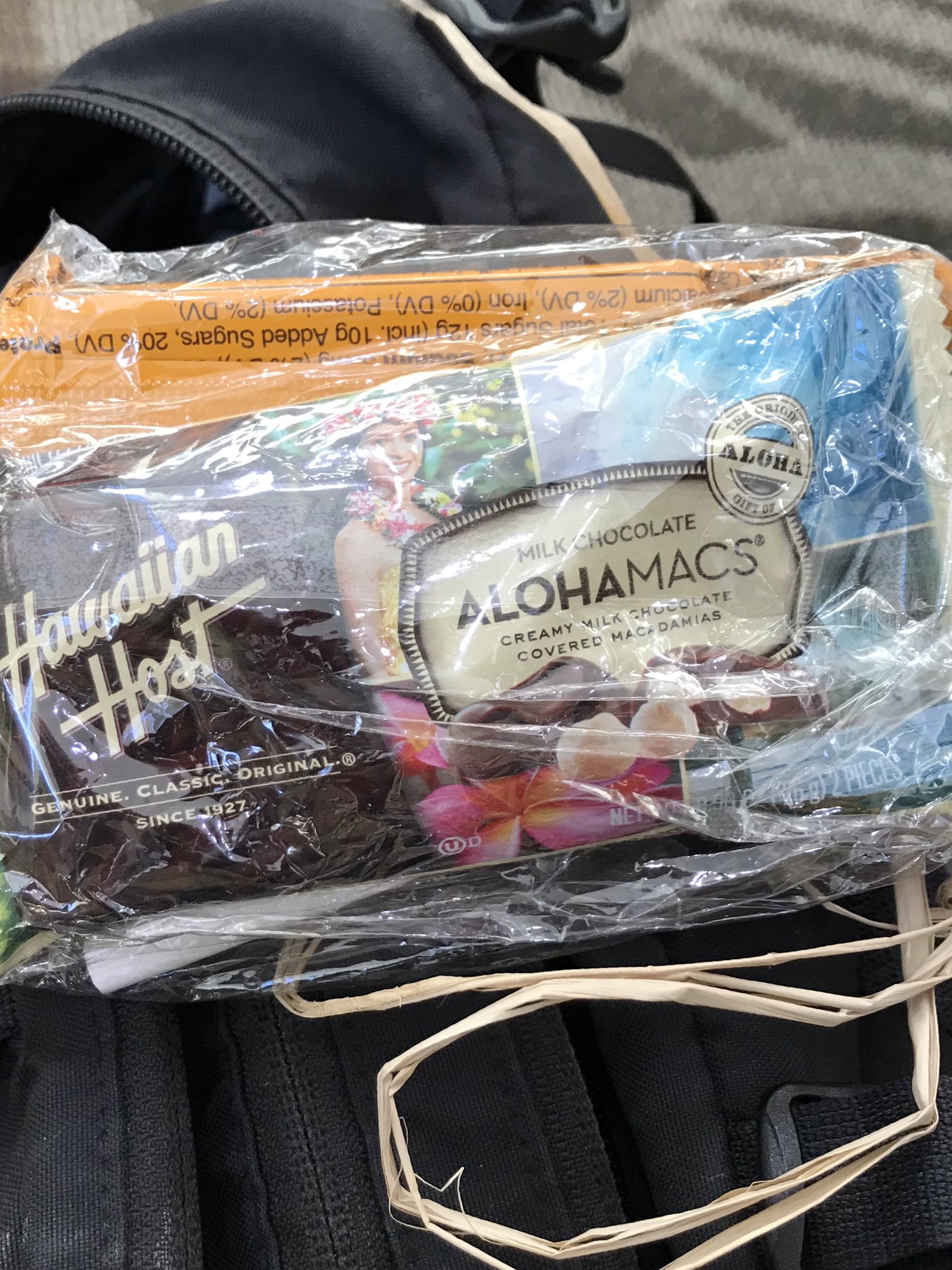
While Scott and I had some initial hesitation about how many would attend the final workshop, our room filled quickly with 50 attendees (including my awesome teammates!). Scott and I even received gift bags from 2 new friends from Hawaii that came to our presentation. 
                                                          Image

What a thrill to present at the national conference, and end the week of memories with one I certainly won't forget. As tired as I am, I can't wait for #AMLE2020 in Washington, DC. Consider joining me! More coffee please!


Saturday, October 26, 2019

Reflecting on a week of recharging, regrouping


Our Superintendent came into our school this week and asked how things were going. I greeted her and responded, "this job is hard!". Elaine is so supportive and reminded me that yes, indeed it is, and that we are in the longest stretch of the school year without time off. It's a long time between the end of August and the last week of November and only have 1 day off. Stamina hasn't yet been developed in our students so signs of fatigue creep in. Like when at home, when I'm tired or my family is, it's hard to stay positive, the house gets a little messier and you often end up working hard to break even, to stay afloat. We're seeing signs of this at school too- students are struggling to stay positive with each other, at times being downright unkind, they talk about being stressed by assignments- even though we haven't increased work expectations since the 1st day of school. They seem to be treading water to survive rather than swimming forward.

Image result for cast away gif

2 weeks ago was especially hard. I came home last weekend frustrated having a hard time trying to grapple with the current mood of the school and wanting to fix it. I laid low, stayed quiet and began to get to work trying to address the climate first. As I grow as an educator nothing becomes more apparent to me over and over again than the saying I walked into teaching with from my grad school time at UVM- "They don't care how much you know, until they know how much you care." I have believed this from the second I went into teaching, and 15 (!) years later I believe it now more than ever. So this week I went back to making connections and teaching about it. We started our advisory on Monday talking about "Would you rather", an activity I created asking students to examine the world they would rather live in. The whole activity was deeply moving and the level of participation was more than I could have expected. I feel confident that students left and went into the halls that day as positive agents of change. They went out looking to make their world the one they want.

I sat more with students. I made an effort to connect and check in with phrases like "how are you doing today?", "what do you have exciting going on this week?". I asked these to every student that came to check in work, ask questions about classwork and every interaction I had with students. This work of connecting first, educating second was only reinforced when I went to the Rowland Foundation Annual Conference. The topic of addressing systemic racism, and inequity in our schools and society at large is a heavy one. Nothing about it was comfortable or easy to hear. But it is our responsibility to work towards the goal and make progress one day at a time, one person at a time. The first step, at the heart of it all, is connections. Connecting people, promoting humanness, interrupting the cycle of racism, bias and inequity are what it takes to move society forward. I could see that more work was needed in my curriculum and our school system as a whole.

So next steps, the post is running long... I'm having students dig deep into their culture and background for the next month. As I learned Wednesday in the mindfulness workshop, we need to know ourselves before we can really begin to know others. So students are looking at all aspects of their culture- from their belief structure to their passions to their ancestry. We're also beginning personal interest projects next week around our work on the 19th century in US History. Allowing students to dig deep into something that are excited to research more and teach others about. Advisory work will continue to focus on empathy, kindness and tolerance. Creating a culture where we call others in to our community and call others out for unkind behaviors. Continuing to work on my AMLE presentation about master schedules rebuilds that promote relationships before more curriculum time because why I want our school to rebuild our schedule is because my goal is to have a school-wide advisory. Where all people in our building are working together to promote the values that my students voted on. The words they used to describe their ideal world- LOVE, ACCEPTANCE, SAFE, WELCOMED, SMILES, RESPECTED, TRUSTED.


Saturday, September 21, 2019

Reflecting on the first few weeks

I am having so much fun!

This is a great group of kids, the energy is so positive, I'm really enjoying these first weeks. In my homeroom, our advisory has been amazing. Kids willing to take risks, work hard to get to know new people and be leaders in our school. I have really enjoyed our new schedule, which allows us to have advisory first thing on Monday mornings. While, of course, I'd love advisory every day- having it to start the week has been a great change which really helps set the tone for a positive week.

In Social Studies I'm having an equally positive time. I'm trying a new routine where on Mondays when we "single block" our focus is on Current Events and Culture & Diversity. The students have seem to really respond! They have been engaged in the news of the world around them and this past Monday we focused on them getting to know their own culture better. We'll start doing a project on that next month. Hopefully we'll give this a whole new meaning!

In our Tuesday-Friday work we've been doing our school-wide Social Studies curriculum around Peace One Day. Students have been researching peacemakers and working on making a claim as to why that person is a great peacemaker. I have loved watching learners dig deep into their own opinions as to why so many great people in history have worked for peace. The message of peace from these peacemakers has really inspired many students to become change makers themselves. Many students have created their own statements of peace.

One of favorite things to the start of this year has been my literature group, or should I say groups! I have a large group (we all do in fairness because my team does not have any interns this year.) So when I saw that I was taking 17 students, I have the idea to split the group into 2 groups and use some student designed curriculum to help manage it. I'm blown away by how serious they have been in deciding on the two books (The Great Trouble and A Girl Named Disaster), and pacing their groups. They have set their own reading schedule as a group, hold their own book talks during class, checking in on each other if they've done the reading, and have shared so many great ideas when thinking about their research projects for this. What an awesome group of students.

I have so many more thoughts, but I don't want to write a super long post today. In personal news, I'm honored to be have been elected the next president of VAMLE (Vermont Association for Middle Level Education). I will spend this year as the president-elect before starting a 3 year term next school year. I'm nervous but excited for this chapter of my professional growth. I'm in year 2 of my National Board candidacy, I'm presenting at the AMLE national conference in November and I'm one of the leaders for re-writing the VAMLE/Middles Grades Collaborative document, Middle School is Not a Building. I'm very excited to see version 2.0 get edited, and republished over the next few months!

Saturday, August 24, 2019

2019-2020 Social Studies Overview

I'm so excited to start the new school year! The first few days of in-service has allowed me to really finalize a lot of thoughts about how the Social Studies curriculum will work this year. I'm pleased to roll it out and hope it engages all learners to think deeply about the world around them. I've created a mission statement for the class this year, "The Goal of Sterling Social Studies: Use transferable skills to think deeply about the modern world using the lessons of history to develop solutions for the future."

Our curriculum timeline will start with our school-wide Social Studies unit around Peace One Day. From there we will look at the theme of "Historical Connections" through the lens of the Civil War and Reconstruction. That will bring us to about the end of November. We will then start our integrated Humanities unit with Ms. Peterson to look at Westward Expansion. After the holiday break we will do a quick unit on economics or physical geography before spending February engaged in our team-wide integrated unit "Winter Survival". After February break we will do more geography work looking at human interaction. After the April break we will end our year with a Genius Hour Project around the Sustainable Goals.

Every Monday we will be covering our "Culture & Diversity" theme by looking at current events, a kindness curriculum and connecting with classrooms around the world using "Empatico". I'm very excited for Mondays!

I have created KUD's for most of units. KUD stands for "Know-Understand-Do" which sets out the learning objectives. As a class we will be building the sequence for these units and determining project outcomes together for the first time. Those KUD's can be found on the Social Studies site curriculum map page.

I'm attempting a Universal Design approach for our learning using the book "Innovate Inside the Box" by George Couros and Katie Novak and working at building literature books into our weekly class routine as well. I have lofty goals for my curriculum this year but I'm excited to take the risk and see what happens.

Monday, April 8, 2019

Spring Cleaning My Curriculum for next year

Sorry for the late post. I usually get this blog out on Sundays, but it was a busy weekend at our sugar house and yesterday I was feeling under the weather. I was super excited to get my blog out this week because I came back from the Standards Based Classroom course last week fired up about the rest of this year and next year.

This week we're wrapping up our Economics unit and I'll be using a strategy from the conference to assess the learning. It's called "Tiles" here's an example of a tile sheet I made about my conference takeaways:
The idea is to collect ideas and make connections in a way where there's no wrong answer when it comes to organizing. Tiles can be moved, folded, turned over, etc as you think about things first before writing about it. What Stan and Emily emphasized was that this provides students with think time rather than writing and trying to sort the ideas about the topic out at the same time.

I was able to really put some thought into next year. I wanted to start with a vision. So I wrote a goal statement for Sterling Social Studies: Use transferable skills to think deeply about the modern world using the lessons of history to develop solutions for the future.

From there I created a graphic that I thought would capture the work needed to pull this off:

I borrowed from a graphic I saw from the Tarrant Institute where the roots feed the trees. I know our work needs to be rooted in the transferable skills, from there our 4 topics will grow out of with specific learning to each and the UN Sustainable Development Goals are the backdrop that are present throughout the learning. I'm not a graphic designer but I was pleased with the outcome!

I was able to create 2 units for next year through this lens and develop a KUD for both. Those will be published on the new Sterling Social Studies website when I feel it's worthy! Next steps include developing inquiry based units to move students through the KUD objectives as well as creating benchmark documents so students know up front what the expected learning looks like. I'm excited to keep designing and thinking and can't wait to see how the "Tiles" work goes this week.